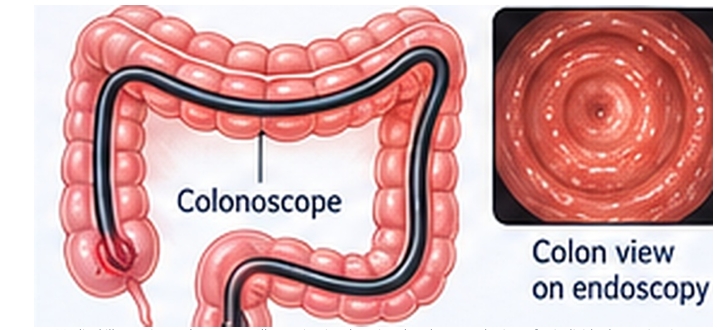
Colonoscopy examines the lining of the large intestine using a flexible camera. It can investigate symptoms, screen for colorectal cancer and remove certain polyps before they become cancerous.
Why is colonoscopy performed?
Reasons include rectal bleeding, unexplained iron-deficiency anaemia, persistent changes in bowel habits, abnormal stool tests, surveillance after polyps and screening in appropriate age or risk groups.
Why is bowel preparation so important?
Stool can hide small lesions. A clear-liquid or low-residue diet and prescribed bowel-cleansing medicine are used according to your local protocol. Follow the timing exactly, including split doses if prescribed.
What should I do about my medicines?
Ask for a specific plan for anticoagulants, antiplatelet drugs, diabetes medicines and iron supplements. Never independently stop essential medicines; changes depend on the planned procedure and your medical risks.
What happens during colonoscopy?
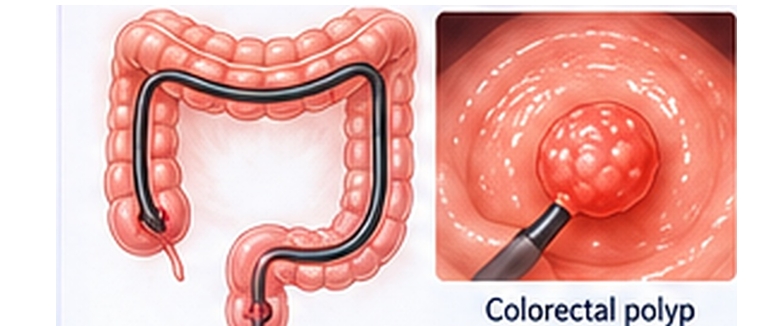
The scope is inserted through the anus and advanced around the colon. Carbon dioxide or air helps expand the bowel for inspection. Polyps may be removed and biopsies taken during the same examination.
Will I need sedation?
Many patients receive sedation, while alternatives may be available depending on the service and individual needs. You may feel bloating or cramps afterwards; most settle as gas passes.
What complications should I know about?
Bleeding, perforation and sedation-related problems are uncommon but important, particularly after polyp removal. Seek urgent assessment for severe or increasing abdominal pain, fever, persistent significant bleeding or fainting.
Frequently Asked Questions
Does a normal colonoscopy mean I never need another?
No. Future screening depends on findings, preparation quality, age, symptoms and family history.
Can I drive home after sedation?
No. Arrange a responsible escort and follow the service’s restrictions.
The key message
High-quality bowel preparation and appropriate follow-up are essential to obtaining the full benefit of colonoscopy.
This article provides general patient education and does not replace individual medical assessment, informed consent or advice from your treating team. Treatment decisions depend on your circumstances.
Dr. Mohammed Alassaf
Consultant Bariatric & Gastrointestinal Surgeon
Dr. Alassaf is a leading expert in minimally invasive and bariatric surgery,
with extensive experience helping patients overcome obesity and related conditions.
Having completed advanced training in Australia and the Middle East, he is known
for his compassionate approach and evidence-based surgical care.