Gastroscopy: Why It Is Performed and What to Expect
Upper Gastrointestinal Conditions & Endoscopy
Gastroscopy: Why It Is Performed and What to Expect
Dr-Alassaf
Nov 02, 2026
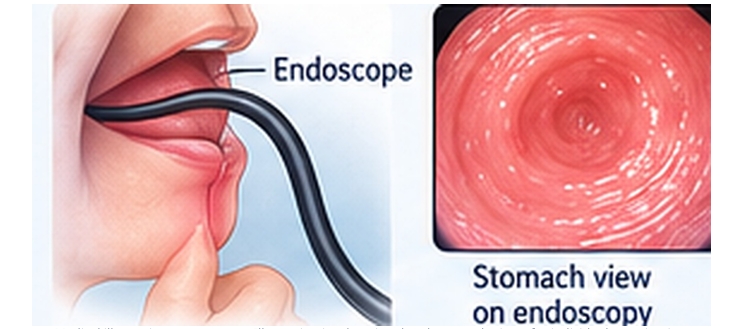
Gastroscopy, also called upper gastrointestinal endoscopy, uses a flexible camera to examine the oesophagus, stomach and first part of the small intestine. It can help explain symptoms and allows targeted biopsies or treatment when indicated.
Why might gastroscopy be recommended?
Common reasons include difficulty swallowing, persistent upper abdominal symptoms, gastrointestinal bleeding, iron-deficiency anaemia, unexplained vomiting or surveillance of selected known conditions. The decision depends on symptoms and clinical assessment.
How should I prepare?
The stomach must be empty for a clear view and to reduce aspiration risk. Follow the fasting instructions provided and tell the team about diabetes medicines, blood thinners, allergies and previous sedation problems.
What happens during the test?
A thin flexible endoscope is passed through the mouth into the upper digestive tract. The doctor inspects the lining and may take tiny biopsies. Local throat spray, sedation or other anaesthetic support may be used according to the setting.
Is it painful and how long does it take?
The test is usually brief and may feel uncomfortable rather than painful. Air or carbon dioxide used for viewing can cause temporary bloating. Sedation changes how much you remember and how quickly you can go home.
What can biopsies show?
Biopsies may investigate inflammation, coeliac disease, Helicobacter pylori, Barrett’s oesophagus or suspicious lesions. Taking a biopsy does not automatically mean cancer is suspected.
What are the risks and recovery instructions?
Serious complications are uncommon in diagnostic procedures but include bleeding, perforation, aspiration and sedation-related problems. After sedation, arrange an escort and avoid driving for the advised period. Seek urgent care for severe chest or abdominal pain, fever, breathlessness or significant bleeding.
Frequently Asked Questions
Does a normal gastroscopy rule out every cause of symptoms?
No. Some conditions require other tests or functional assessment.
Will I receive biopsy results immediately?
Usually not. Tissue examination takes additional time.
The key message
Gastroscopy is a targeted examination of the upper digestive tract; good preparation and clear follow-up of biopsy results are important.
This article provides general patient education and does not replace individual medical assessment, informed consent or advice from your treating team. Treatment decisions depend on your circumstances.
Dr. Mohammed Alassaf
Consultant Bariatric & Gastrointestinal Surgeon
Dr. Alassaf is a leading expert in minimally invasive and bariatric surgery,
with extensive experience helping patients overcome obesity and related conditions.
Having completed advanced training in Australia and the Middle East, he is known
for his compassionate approach and evidence-based surgical care.