Emergency Surgery in Older and Frail Patients: Understanding the Risks and Decisions
Emergency Surgery & Perioperative Care in Older Adults
Emergency Surgery in Older and Frail Patients: Understanding the Risks and Decisions
Dr-Alassaf
Nov 03, 2026
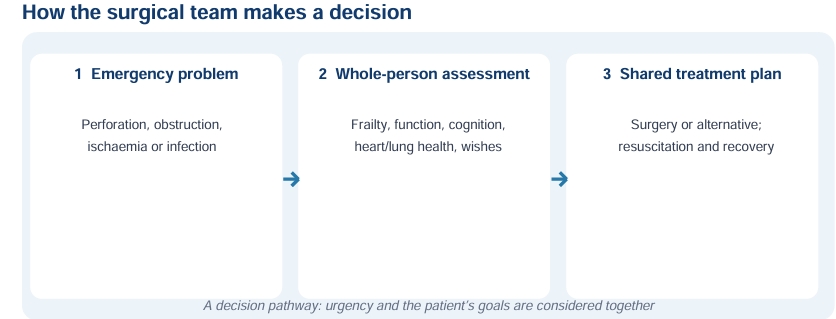
An older person may need emergency surgery for a bowel obstruction, perforation, severe infection, strangulated hernia or another abdominal emergency. These conditions can be dangerous at any age. In older or frail patients, however, the decision is often more complex because an operation, anaesthesia and recovery may place greater demands on the body.
Age alone should not decide whether someone has surgery. The emergency itself, the patient’s physical reserve, usual independence, medical conditions and personal wishes all matter. Sometimes an operation offers the best chance of survival; sometimes a less invasive or comfort-focused approach is more appropriate.
What does frailty mean?
Frailty describes reduced physiological reserve: the body has less ability to recover from illness, infection or surgery. It is not the same as old age. A person may be frail because of reduced mobility, weight loss, weakness, exhaustion, cognitive problems or dependence on help with daily activities.
Why can an emergency operation be harder on an older person?
Emergency surgery leaves little time to optimise medical conditions. Dehydration, infection, low blood pressure and poor nutrition may already be present. Heart, lung or kidney disease, multiple medications and reduced mobility can increase the chance of complications.
Which emergencies may still require immediate surgery?
Examples include bowel perforation with generalised peritonitis, strangulated or nonviable bowel, uncontrolled abdominal bleeding and severe infection that cannot be controlled by other means. Delay can worsen outcomes when urgent source control or restoration of blood supply is required.
Can treatment without an operation be considered?
Sometimes. Depending on the diagnosis, options may include antibiotics, image-guided abscess drainage, endoscopic treatment, bowel decompression or close monitoring. These are not substitutes for surgery when bowel has died or uncontrolled contamination is present. The team explains whether a non-operative approach is realistic and what failure would mean.
How is operative risk assessed?
Surgeons and anaesthetists review the patient’s usual level of independence, mobility, nutrition, cognition, heart and lung function, kidney function, medications and current severity of illness. Frailty assessment tools and validated risk estimates may support the conversation, but no score can predict an individual outcome with certainty.
What is delirium and why does it matter?
Delirium is a sudden change in attention, awareness or thinking that may occur during serious illness or after surgery. It can be triggered by infection, pain, medications, dehydration or sleep disruption. Preventive measures include early mobilisation, orientation, good pain control, glasses and hearing aids, hydration and avoiding unnecessary sedating drugs.
What are the main complications?
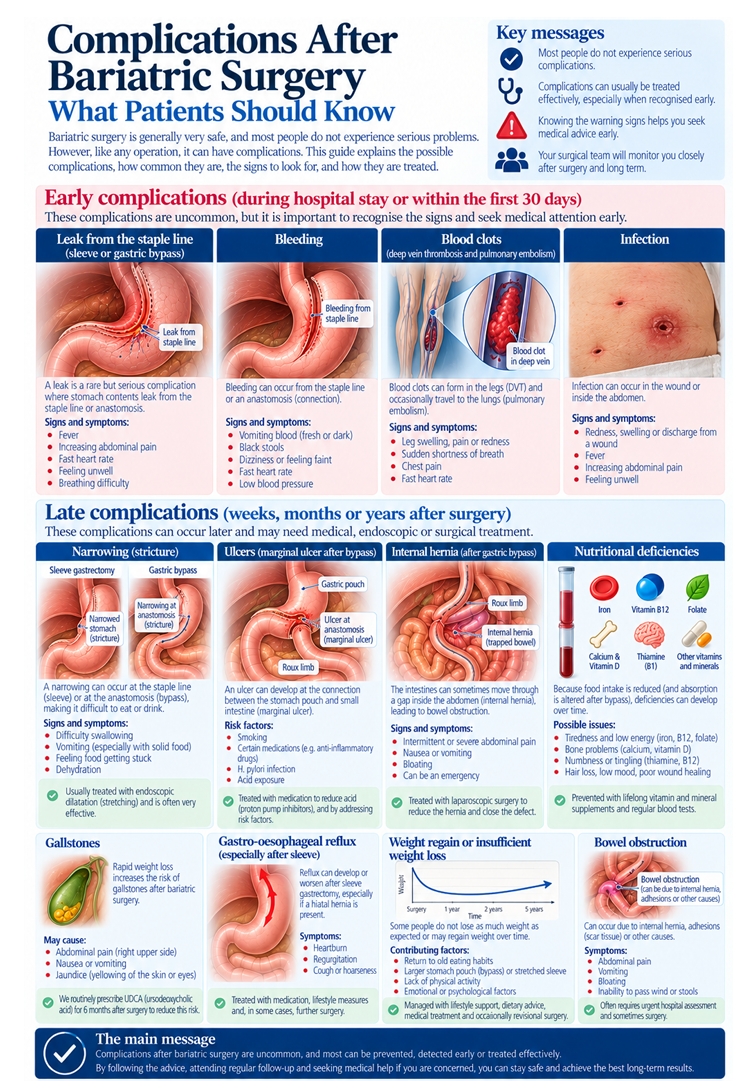
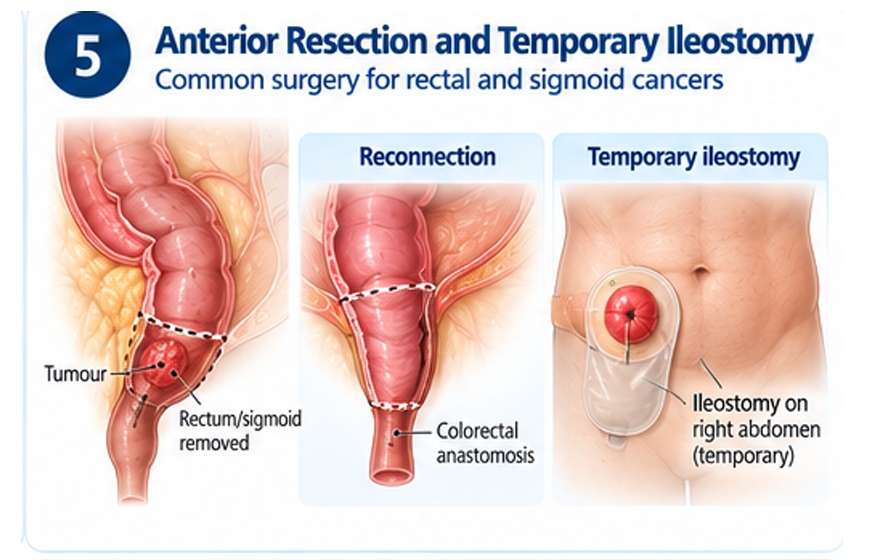
Possible complications include pneumonia, heart problems, kidney injury, blood clots, wound infection, anastomotic leak, delirium, loss of mobility and prolonged need for assistance. Some patients may need intensive care, a stoma, rehabilitation or a higher level of support after discharge.
What does “returning to baseline” mean?
The aim is not only to survive the operation but also to recover as much of the person’s previous quality of life and independence as possible. For someone who previously walked independently and lived at home, those outcomes may be as important as the technical success of surgery.
How do the patient’s goals influence treatment?
Some patients prioritise the best chance of survival even if recovery is long. Others may place greater importance on avoiding prolonged ventilation, intensive care or permanent loss of independence. Neither preference is automatically right or wrong; the team should explain realistic options and respect informed choices.
What if the patient cannot make decisions?
The clinical team looks for previously expressed wishes, advance directives where applicable, and an appropriate substitute decision-maker under local law. The goal is to make a decision consistent with the patient’s values and best interests, not simply to choose the most aggressive treatment.
What does emergency surgery involve?
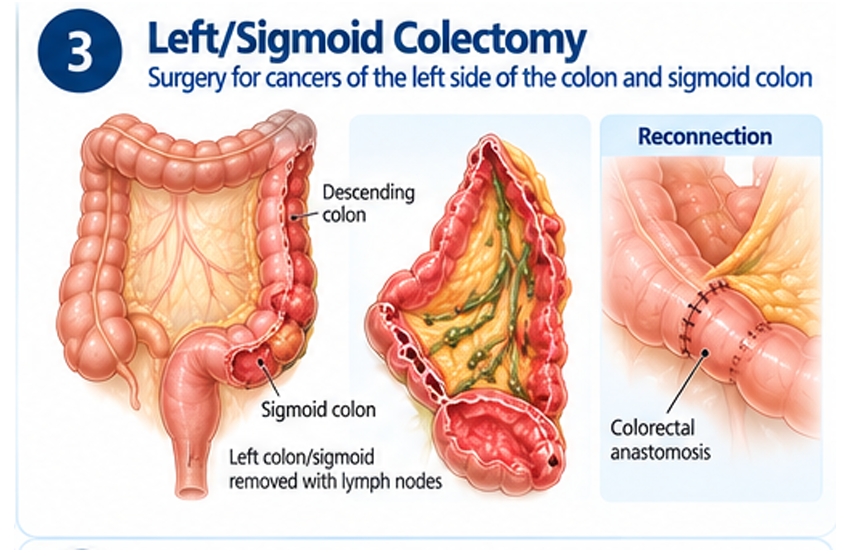
The procedure depends on the diagnosis. It may be laparoscopic or open, and can involve repair of a perforation, drainage of infection, removal of diseased bowel or creation of a stoma. In unstable patients, a staged or damage-control operation may be needed.
Can the team improve recovery after surgery?
Yes. Early treatment of infection, careful fluid and medication management, appropriate pain relief, nutrition, physiotherapy, prevention of delirium and early mobilisation can help. Geriatric, rehabilitation, nursing, anaesthetic and critical-care teams may all contribute.
What if the risks outweigh the likely benefit?
A decision not to operate does not mean abandoning care. The team can still treat pain, nausea, infection and distress, and may offer less invasive measures. Palliative care can be provided alongside active treatment to improve comfort and help with difficult decisions.
What should families ask the surgeon?
Useful questions include: What is the emergency diagnosis? What happens if we do not operate? What is the chance of surviving the illness and the operation? Will intensive care or a ventilator be needed? Could there be a stoma? What level of independence is realistic afterward? Are there less invasive options?
Frequently Asked Questions
Is someone too old for emergency surgery?
There is no universal age cutoff. Fitness, frailty, urgency and patient preferences are more informative than chronological age alone.
Does frailty mean surgery will fail?
No. Frailty increases risk, but some frail patients benefit greatly from surgery, especially when the untreated condition is immediately life-threatening.
Will the patient definitely need intensive care?
Not necessarily. The need for intensive care depends on the illness, procedure, organ function and recovery after anaesthesia.
Can family members decide instead of the patient?
A patient with decision-making capacity should make their own informed choice. If capacity is impaired, local laws and the patient’s known wishes guide surrogate decisions.
Will recovery take longer?
It may. Rehabilitation, nutritional support and help with daily activities are sometimes needed for weeks or months, and full return to previous function is not always possible.
The key message
Emergency surgery in older and frail patients requires individualised decisions. The best treatment considers the urgency of the abdominal problem, the patient’s ability to recover and—most importantly—what matters to that person. Early, clear conversations can help patients and families make informed choices.
This article is for patient education. It does not replace assessment by a surgical or emergency-care team. Severe abdominal pain, confusion, fainting or signs of infection require urgent medical attention.
Dr. Mohammed Alassaf
Consultant Bariatric & Gastrointestinal Surgeon
Dr. Alassaf is a leading expert in minimally invasive and bariatric surgery,
with extensive experience helping patients overcome obesity and related conditions.
Having completed advanced training in Australia and the Middle East, he is known
for his compassionate approach and evidence-based surgical care.