Complications After Bariatric Surgery: What Patients Should Know
Bariatric Surgery Complications & Patient Safety
Complications After Bariatric Surgery: What Patients Should Know
Dr-Alassaf
Nov 02, 2026
Bariatric surgery is generally safe, but sleeve gastrectomy, Roux-en-Y gastric bypass and revisional surgery are
major operations and complications can occur. The purpose of discussing complications is not to frighten patients. It
is to help them recognise the difference between expected recovery and symptoms that need prompt assessment.
Some problems occur in the first hours or days after surgery; others can develop months or even years later. Early
recognition is important because many complications are much easier to treat when identified promptly.
A useful way to think about complications
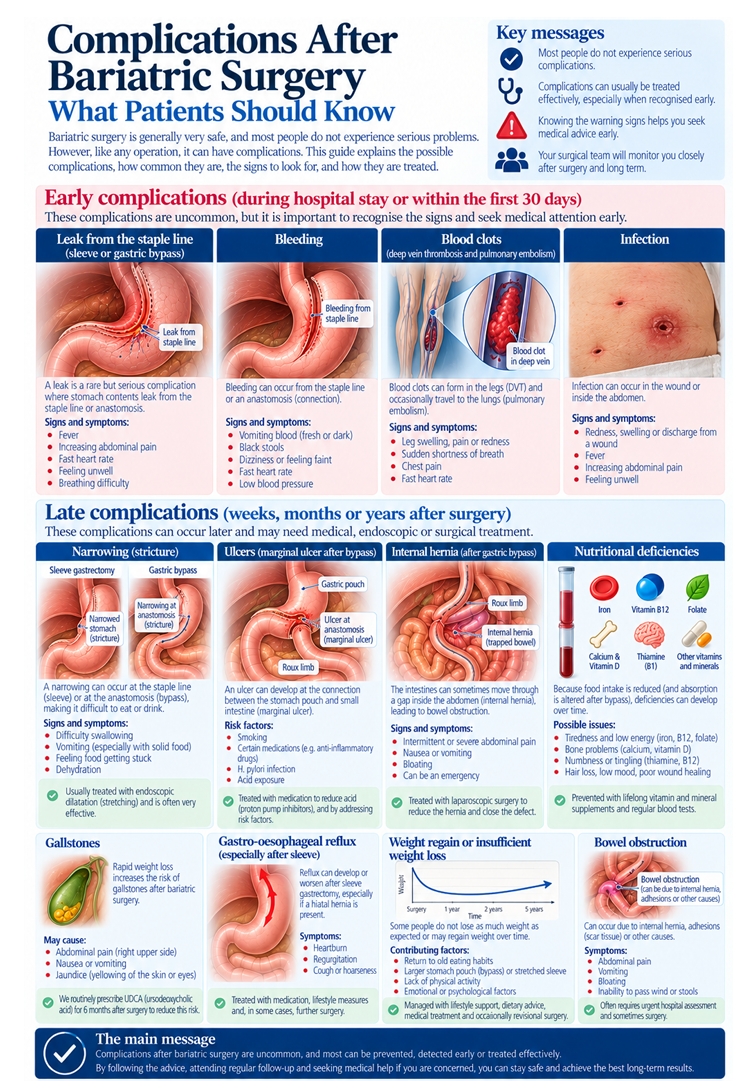
Complications can be divided into early problems—such as bleeding, leak, blood clots and infection—and later
problems such as stenosis, reflux, marginal ulcer, internal hernia, nutritional deficiency, gallstones and weight
regain.
What is a leak?
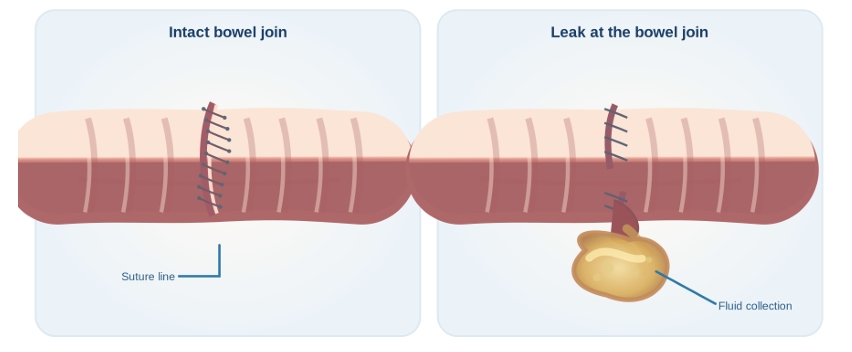
A leak occurs when gastrointestinal contents escape through a staple line or an anastomosis. It is uncommon but
potentially serious. After sleeve, the leak is usually related to the gastric staple line; after bypass, it may occur at a
newly created connection.
How might a leak present?
Persistent tachycardia, fever, increasing abdominal or shoulder pain, breathlessness and a general feeling of
becoming progressively unwell are important warning signs. Symptoms may be subtle, so deterioration after an
initially satisfactory recovery should be taken seriously.
Why I perform an intraoperative leak test
I routinely perform a leak test after sleeve gastrectomy and Roux-en-Y gastric bypass. It provides an additional
assessment of the new staple line or anastomosis before the operation is completed. A normal test is reassuring but
cannot eliminate the possibility of a later leak
Bleeding
Bleeding can arise from a staple line, an anastomosis or another operative site. Significant bleeding may cause a
rapid pulse, dizziness, weakness, falling blood pressure, vomiting of blood or dark stools. Management ranges from
observation and supportive treatment to endoscopy, radiology or reoperation depending on severity.
Blood clots: DVT and pulmonary embolism
Obesity and abdominal surgery increase venous-thromboembolism risk. A clot may form in a deep leg vein and can
travel to the lungs. New unilateral leg swelling or pain, sudden breathlessness, chest pain, fainting or coughing
blood requires urgent assessment.
How I reduce clot risk
Early mobilisation is essential. In my routine pathway patients continue anticoagulant DVT prophylaxis for two
weeks after surgery unless their individual clinical situation requires a different plan.
Wound and abdominal infection
Increasing wound redness, warmth, swelling, discharge or fever can indicate infection. Fever with worsening
abdominal pain may indicate a deeper problem and deserves prompt assessment.
Stenosis or narrowing
A sleeve can become narrowed or angulated, and the gastrojejunostomy after bypass can develop a stricture.
Persistent vomiting, dysphagia, food sticking or inability to progress with diet should be investigated rather than
accepted as normal.
Marginal ulcer after gastric bypass
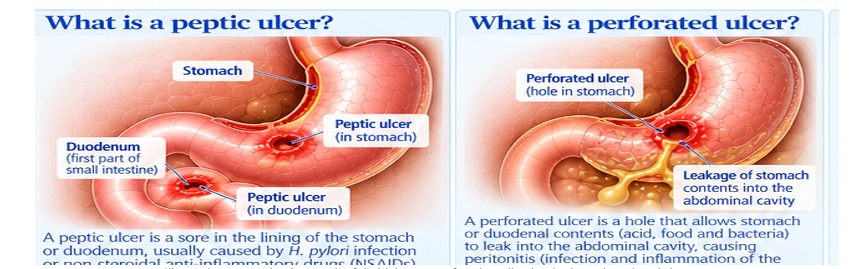
A marginal ulcer develops around the gastrojejunostomy. Smoking and NSAID use are important risk factors.
Symptoms can include upper abdominal pain, nausea, bleeding or anaemia. Endoscopy is often required for
diagnosis.
Internal hernia after Roux-en-Y
The rearranged bowel creates potential mesenteric spaces through which small bowel can herniate. Symptoms may
be intermittent, and imaging is not always definitive. Severe or recurrent unexplained abdominal pain after bypass
should therefore be taken seriously.
Why I close all mesenteric defects
I routinely close all mesenteric defects created during Roux-en-Y gastric bypass to reduce internal-hernia risk.
Closure reduces the risk but does not make it zero.
Bowel obstruction
Obstruction can occur from internal hernia, adhesions, narrowing or other causes. Abdominal pain, distension,
repeated vomiting and inability to pass stool or gas can be warning symptoms and may require urgent treatment.
Reflux after sleeve gastrectomy
Sleeve can cause new reflux or worsen established GERD. This is why reflux is assessed before surgery and why
significant established reflux generally pushes my procedure choice toward Roux-en-Y gastric bypass.
What if reflux after sleeve becomes difficult to control?
Persistent symptoms should be investigated for oesophagitis, hiatal hernia, sleeve stenosis, angulation or twisting.
Treatment may include medication, endoscopic therapy, hiatal repair or conversion to Roux-en-Y in selected
patients.
Nutritional deficiencies
Iron, vitamin B12, folate, vitamin D, calcium, thiamine and other deficiencies can develop after bariatric surgery. Risk
is particularly important after bypass, but sleeve patients also require supplementation and surveillance.
Why persistent vomiting is dangerous
Besides indicating a possible anatomical problem, repeated vomiting can cause dehydration and rapid thiamine
depletion. Untreated thiamine deficiency can produce serious neurological injury.
Gallstones
Rapid weight loss increases the risk of cholesterol gallstones. I offer UDCA during the rapid weight-loss period when
appropriate to reduce this risk.
Dumping syndrome after bypass
Rapid delivery of concentrated carbohydrate into the small intestine can cause abdominal cramps, diarrhoea,
flushing, palpitations, dizziness or weakness. Dietary changes usually form the basis of management.
Post-bariatric hypoglycaemia
A small proportion of patients develop symptomatic low blood glucose after meals, particularly after bypass.
Recurrent episodes require specialist assessment and nutritional management.
Weight regain or inadequate weight loss
Weight regain is not automatically a surgical complication, but it is an important long-term problem. Causes may be
nutritional, behavioural, metabolic, medication-related or anatomical. Assessment should identify the mechanism
rather than assign blame.
When revisional surgery may be needed
Revision can be considered when there is a clear anatomical or clinical indication—for example, severe reflux after
sleeve, an anatomical complication or selected cases of inadequate long-term response. Revisional surgery is more
complex and requires careful evaluation.
Why long-term follow-up matters
Some of the most important bariatric complications occur years after the original operation. Patients and clinicians
should always mention the type of bariatric surgery when evaluating new abdominal symptoms.
My approach to reducing complications
Complication prevention begins before surgery with dietitian assessment, metabolic and nutritional
screening and a liver-reduction diet. During surgery I repair a hiatal hernia when present, routinely perform
a leak test and close all mesenteric defects during Roux-en-Y gastric bypass. After surgery my routine
pathway includes PPI therapy, early mobilisation, two weeks of DVT prophylaxis and UDCA during rapid
weight loss when appropriate. Long-term nutritional follow-up remains essential.
Symptoms that should trigger urgent assessment
Seek urgent medical attention for persistent rapid heart rate, fever, worsening abdominal or shoulder pain,
breathlessness, chest pain, fainting, significant leg swelling, repeated vomiting, inability to drink, vomiting
blood, black stools, jaundice or a general sense of becoming progressively more unwell.
Frequently Asked Questions
Are serious complications common?
No. Most patients recover without a serious complication, but recognising warning symptoms remains important.
Does a negative leak test mean a leak cannot happen?
No. It is an additional safety check but cannot exclude every delayed leak.
Can internal hernia happen if the mesenteric defects were closed?
Yes. Closure reduces the risk but does not eliminate it.
Can complications happen years later?
Yes. Internal hernia, nutritional deficiency, marginal ulcer, gallstones, reflux and other problems can present late.
Is repeated vomiting normal after bariatric surgery?
No. It can cause dehydration and thiamine deficiency and may indicate an anatomical problem.
Why should I avoid smoking after bypass?
Smoking increases the risk of marginal ulcer and impairs healing.
Can reflux after sleeve be treated?
Yes. Treatment depends on the cause and can include medication, endoscopic treatment, hiatal repair or
conversion to bypass.
Why do I need vitamins if I feel well?
Nutritional deficiencies can remain silent for a long time before symptoms appear.
Does abdominal pain after bypass always show on a CT scan?
No. Some problems, including internal hernia, can be difficult to demonstrate reliably, so clinical assessment
remains important.
Can a bariatric operation be revised?
Yes, when there is a clear indication, but revisional surgery is generally more complex than primary surgery.
The key message
Most patients do well after bariatric surgery, but complications can occur early or years later. Knowing the
warning signs, maintaining long-term follow-up and seeking assessment promptly when something does
not feel right are central to safe bariatric care.
Patient-information note: this article describes general warning symptoms and complications. New or severe symptoms after bariatric surgery
require individual clinical assessment and should not be diagnosed from an online guide.
Dr. Mohammed Alassaf
Consultant Bariatric & Gastrointestinal Surgeon
Dr. Alassaf is a leading expert in minimally invasive and bariatric surgery,
with extensive experience helping patients overcome obesity and related conditions.
Having completed advanced training in Australia and the Middle East, he is known
for his compassionate approach and evidence-based surgical care.