Postoperative Anastomotic Leak: Recognising a Serious Complication
Anastomotic Leak & Postoperative Complications
Postoperative Anastomotic Leak: Recognising a Serious Complication
Dr-Alassaf
Nov 03, 2026
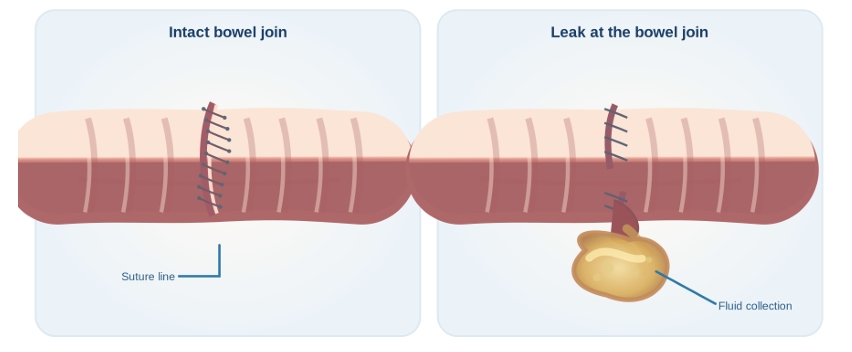
An anastomosis is a surgical join between two ends of bowel. A leak occurs when that join does not seal
adequately, allowing bowel contents or bacteria to escape into nearby tissue or the abdominal cavity.
Why can a bowel join leak?
Healing requires good blood supply, healthy tissue and limited tension. Infection, poor nutrition, smoking, steroid
treatment, technical factors and severe illness can increase risk, although a leak can occur even after a carefully
performed operation.
What symptoms matter?
Increasing abdominal pain, fever, rapid heartbeat, abdominal distension, vomiting, failure to recover as expected,
new confusion or low blood pressure require prompt review. Some leaks present subtly, especially in older patients.
How is a leak diagnosed?
Clinical assessment and blood tests are combined with imaging, commonly CT with intravenous contrast and
sometimes enteric or rectal contrast according to the operation. No single test excludes every early leak; repeat
assessment is essential when concern remains.
Does every leak require another operation?
No. A small, contained leak in a stable patient may be managed with antibiotics, bowel rest or nutritional support
and image-guided drainage. Widespread contamination, organ dysfunction or an uncontrolled leak generally
requires urgent source control.
What might the surgeon do?
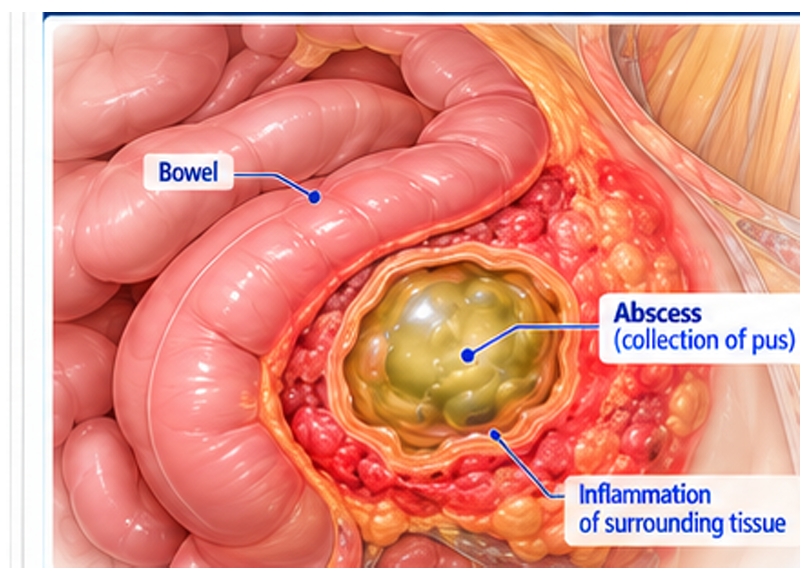
Options include washing out the abdomen, draining collections, repairing or revising the join, creating a diverting
stoma, or taking down the anastomosis. The decision depends on tissue quality, contamination, timing and patient
stability.
Can endoscopic treatment help?
For selected anatomies and leaks, endoscopic vacuum therapy, clips or stents may be considered by specialist
teams. These methods do not replace urgent surgery when there is uncontrolled sepsis.
How does a leak affect recovery?
Patients may require prolonged antibiotics, drains, nutritional support and sometimes intensive care. A temporary
stoma may need later assessment before reversal. Emotional support and clear follow-up planning are also
important.
Can a leak be prevented completely?
No. Surgeons reduce risk by checking blood supply, avoiding tension, optimising patients and using protective
diversion when appropriate, but no technique guarantees a leak-free recovery.
Frequently asked questions
Does fever always mean a leak?
No. Fever has many causes, but a new fever after bowel surgery should be assessed.
Will I need a permanent stoma?
Not necessarily. Some stomas are temporary, but reversal depends on healing and overall health.
When should I call my surgical team?
Promptly for worsening pain, fever, vomiting, new discharge or a marked decline in wellbeing.
The key message. A bowel-join leak is uncommon but potentially serious. Recognising a change in
recovery and controlling infection early are the keys to safer treatment.
This article is general patient education, not a substitute for assessment or personalised surgical advice. Seek emergency medical care
for severe or rapidly worsening symptoms.
Dr. Mohammed Alassaf
Consultant Bariatric & Gastrointestinal Surgeon
Dr. Alassaf is a leading expert in minimally invasive and bariatric surgery,
with extensive experience helping patients overcome obesity and related conditions.
Having completed advanced training in Australia and the Middle East, he is known
for his compassionate approach and evidence-based surgical care.